In brief…
At Encounter, safeguarding is at the heart of everything we do. We are committed to creating safe, caring spaces for children, young people, and adults, especially those who may be vulnerable. Everyone involved with Encounter – staff, volunteers, and leaders – shares the responsibility of protecting others and ensuring their well-being. We follow national Church of England safeguarding policies, carry out proper checks and training, and make sure our work is transparent, respectful, and accountable.
In practice this means we:
- Always put safety and care first.
- Make sure all staff and volunteers are trained and checked.
- Provide clear ways to raise concerns quickly.
- Treat everyone with dignity, respect, and fairness.
This policy outlines our commitment to safeguarding, our expectations, how we protect children, young people and adults, how to report a concern, and other useful documents. This policy will be reviewed each year to monitor the progress which has been achieved.
Introduction
Safeguarding is everyone’s responsibility. Therefore, our safeguarding policy must be followed by all Encounter volunteers, staff, and those working on an Encounter location or at an Encounter event.
Encounter comes under the authority of Lichfield Diocese and as such we work under the national Church of England Safeguarding policy which ensures the protection of children and vulnerable adults in all we do. We are committed to caring and respectful pastoral care of all people, the safeguarding and protection of all children, young people, and vulnerable adults. We also look to promote a caring and safe community across all the locations where we will be working. All people, including children and vulnerable adults have the right to be protected from harm and to have their welfare promoted. We recognise that anyone who is working within our ministry and that comes into contact with children and vulnerable adults has a responsibility to keep them safe and to promote their welfare.
We recognise that a position of power in relation to another creates a risk of vulnerability. As a consequence, we strive to ensure that we consider power when working and leading with people. We recognise that children by virtue of legal status and dependency on adults for their emotional and physical needs will always be vulnerable and at a disadvantage. We commit to considering this in our children’s activities– undertaking supervision of staff working with them and risk assessing activities and groups as a check and balance in our work. We furthermore understand that illness, disability, race, mental health and other issues can put adults in a position of vulnerability. We accept that these can be long term (ongoing), or temporary. We commit to considering this in our adults activities and events – undertaking supervision of staff and risk assessing activities and groups as a check and balance in our work. In all of this we commit to transparency in our actions and accountability for our work.
In addition to this policy, at each Encounter location we strongly recommend the signing of the ‘Memorandum of Understanding for Safeguarding’ (MOU) that outlines the safeguarding responsibilities and processes for activities undertaken jointly by the local parish and school /academy at any one of our locations. It aims to ensure that all activities are conducted in accordance with the relevant safeguarding policies and procedures to protect the well-being of children and vulnerable adults involved.
The MOU applies to:
- All joint Encounter activities undertaken by both the parish and school on either premises occurring within school time
- Joint Encounter activities involving both the church and the school on either premises occurring outside of school time.
- All joint Encounter activities happening at a third location either in or outside of school time.
Our Commitment
- As Encounter we commit ourselves to respectful pastoral care for all adults and children to whom we minister.
- We will consider issues relating to spiritual care in prayer activity, ensuring that members of all prayer teams working within or alongside Encounter consider power, control and spiritual abuse issues in their ministry. This includes when CYP are part of the prayer team.
- We will ensure that leaders who are involved with working with vulnerable persons and CYP have appropriate enhanced DBS checks, following the guidelines as laid down by the Lichfield Diocese Safeguarding Team.
- We will ensure that appropriate safeguarding training will be offered to all staff and volunteers both within the Encounter Team and at the Encounter locations.
- We commit to discuss safeguarding and support of safeguarding as a leadership team and across the locations.
- We commit ourselves to the safeguarding of people who may be vulnerable, ensuring their well-being across all Encounter events. This will include:
- Encounter events held on school / academy premises
- Encounter events held on church premises
- Encounter events held at a third location
- We commit ourselves to promoting safe practice by those in positions of trust.
- We will ensure that those with remits or leadership of groups involving vulnerable children have appropriate enhanced DBS checks in line with the school or diocese guidelines as appropriate.
- We will engage with appropriate training and seek to develop relationships with other agencies as well as the diocese and schools / academies on safeguarding.
- Revision of the Safeguarding policy will be a regular point of discussion for the Encounter leadership as well as the Encounter oversight groups at each location. We agree that whilst we have named co-ordinators, we will accept collective ownership for this important issue.
- We commit to promoting the inclusion and empowerment of people who may be vulnerable.
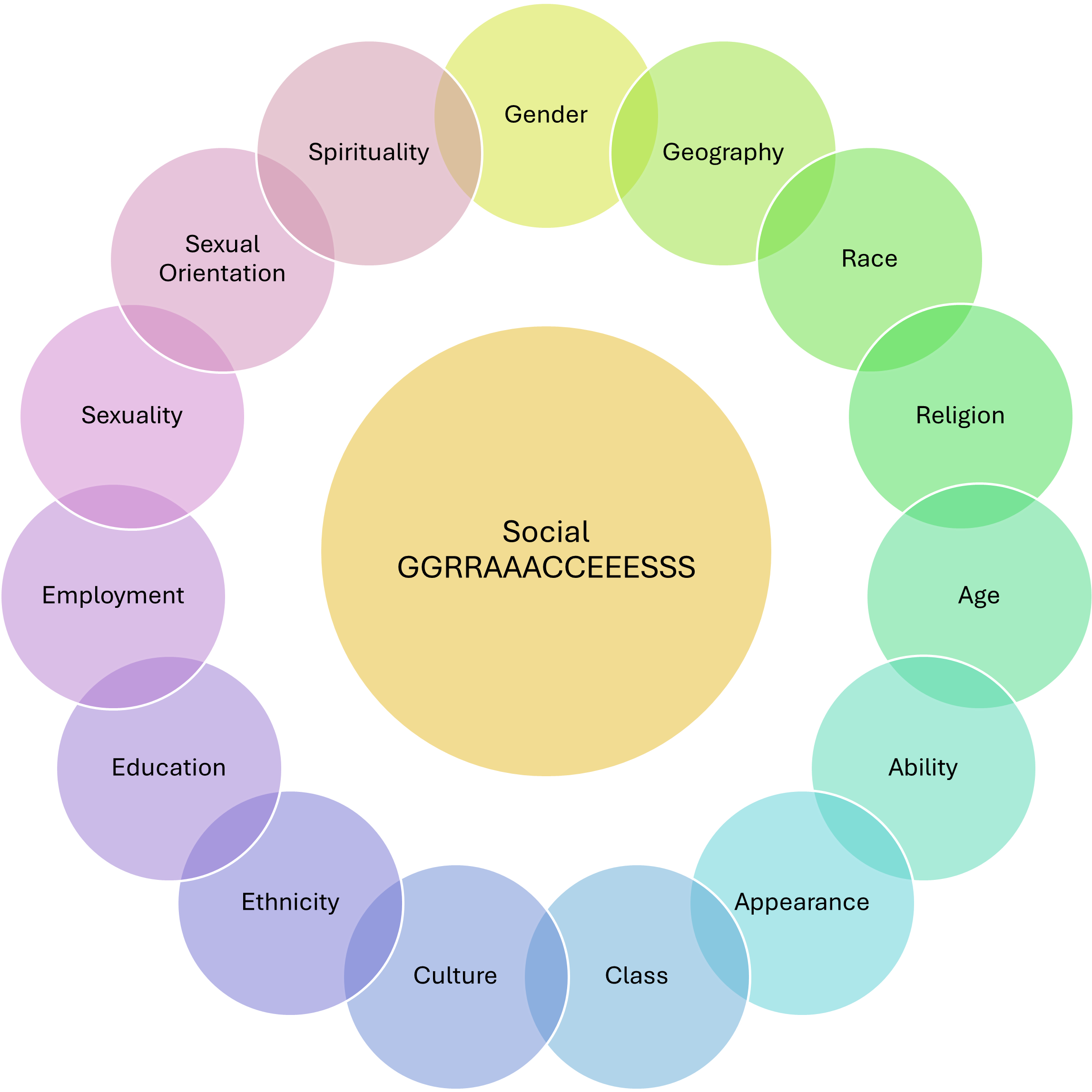
- We will consider the impact the ‘Social GGRRAAAACCEESSSS’ have on how we provide and plan our ministry.
- We will actively but appropriately, challenge each other in our work in order to ensure we consider a wide range of perspectives and views – ensuring that we do not oppressively impose our own values or views to another’s detriment.
- Where a person struggles with activities due to disadvantage, disability or illness we will go the extra mile to assist them so they can participate and contribute as a full part of the church.
To achieve this, we are committed to:
Clear reporting procedures for all the Encounter locations and events
- Establishing clear and accessible procedures for reporting concerns and disclosures, ensuring timely and appropriate responses that is agreed with the church and school/academy at each of the locations through the local oversight group.
Supporting, resourcing and training
- Providing comprehensive training and resources for those who work with children, young people and adults at risk of harm. This includes increasing awareness of the prevalence of abuse and recognising signs and indicators of abuse.
Supervision and accountability
- Ensuring appropriate supervision and mutual accountability to create a safe culture throughout the organisation.
- In the case of an unaccompanied CYP turning up at an ‘out of school’ Encounter event we recommend the following protocol is adopted in order to mitigate risk:
- Before the event at least 2 appropriate and trusted adults will be designated the role of ‘designated accompanying adult’ (DAA)
- During the event if a children aged 5 and under arrives unaccompanied the relevant authorities must be informed immediately.
- Children aged 6-11 (in primary school) who attend the event without an adult will have their names added to an Unaccompanied Children List at the welcome point. They will then be under the care of the DAA for the duration of their time at the event.
- Unaccompanied youth (in secondary school) must complete and return a parental permission form for any future event to include permission to attend any Encounter event without an accompanying adult. If this form is not available for any reason, then the youth will come under the care of a DAA for the duration of the Encounter event.
- The adult staffing the Welcome desk must ask all children if they have come with an adult in order to add names to the list.
- Welcome team members will receive some safeguarding training to be aware of the issues relating to children arriving on their own, leaving the main event to go to the toilet, leaving the building during event times and other safeguarding issues.
- We follow the NSPCC recommendation of having at least two adults present when working with or supervising children and young people. We recommend the following adult to child ratios as the minimum numbers to help keep children safe:
- under 2 years – one adult to three children
- 2 – 3 years – one adult to four children
- 4 – 8 years – one adult to six children
- 13 -18 years – one adult to ten children
Supportive environment
- Fostering an environment where children and young people feel safe, respected, and heard. Ensuring that children and young people can always talk to an independent person and making them aware of relevant contact numbers including relevant safeguarding numbers.
Safer recruitment
- Implementing a safer recruitment policy and procedure to ensure clear roles and responsibilities and to ensure the suitability of all applicants including the undertaking of thorough background checks.
- Recognising safer recruitment as a vital part of creating a safe and positive environment and making a commitment to keep children safe from harm.
Expectations
- The relevant safeguarding leads within the Encounter Team, school / academy and parish will work closely together and communicate regularly ensuring the safeguarding of all – including vulnerable adults and CYP. Where appropriate this could be achieved through the work of the local oversight group.
- All Encounter and Encounter location staff and volunteers are expected to:
- Follow the relevant Safeguarding policy and procedure as outlined in the MOU, as well as the safer recruitment policy and procedure.
- Report all concerns, allegations and disclosures within 24 hours (or sooner if it’s an emergency) in accordance with the ‘Reporting Process’ set out in the safeguarding procedure
- Never assume someone else has reported a concern.
- Inform their relevant safeguarding manager about any ongoing or past investigation involving themselves or individuals with significant relationship (e.g., family members, partners or household members). These investigations may relate to child or adult safeguarding allegations, concerns or disclosures and may have been carried out by the police, social services, an employer, or another volunteer organisation.
- Maintain a caring curiosity so as to recognise when something is worrying.
- Consider inclusion and accessibility when dealing with safeguarding issues.
- Comply with our Code of Conduct set out in the policy.
- Complete and continue to renew the mandatory safeguarding training relevant to the role.
Code of Conduct
At Encounter, we recognise our duty of care for children and young people, as well as adults at risk of harm participating in our events across all locations and are committed to ensuring their safety and well-being. This Code of Conduct outlines the standards of behaviour for all Encounter Team and location staff and volunteers. In order that the appropriate behaviours are maintained by all the following should be considered and adopted:
Respect and dignity
Treat all individuals, in particular children, young people and adults at risk of harm with respect and dignity. This should be reflected in attitude, behaviour, and speech.
Professional boundaries
Event teams must include both male and female team members. Professional boundaries should be maintained at all times. These include but are not limited to:
- Avoid forming exclusive relationships or showing favouritism to individual participants.
- Ensure that interactions are appropriate and transparent.
- Work in groups and public areas / common spaces to ensure interactions are visible to others.
Appropriate behaviour
Staff and volunteers are in a ‘position of trust’ and must avoid any behaviour that could lead to an abuse of this position. The following behaviours are always expected:
- Always act as a positive role model
- Avoid any behaviour that is, or could be misinterpreted as, inappropriate including, but not limited to, behaviour that may lead to an intimate relationship (emotional, physical or sexual)
- Do not engage in any form of bullying, harassment or discrimination
- In pastoral conversations that have the potential to be lengthy, involve another Team Member early on. Make it clear that confidentiality cannot be promised and that the case will be shared with the Designated Safeguarding Officer (DSO) as appropriate.
- Never befriend or follow a CYP on social media
Physical contact
- Do not initiate physical contact with participants at any Encounter event. Be cautious of contact initiated by participants and only respond appropriately.
- Physical contact should only occur when necessary for a child or young person’s safety or well-being, such as providing medical attention or preventing harm.
- The use of corporal punishment is strictly prohibited. Any form of physical discipline is not acceptable.
- Physical contact in incident management should only prevent violent or inappropriate behaviour to avoid them hurting themselves or others. It must be minimal, ideally witnessed, and always recorded.
Communication
- Communicate in an open, honest and respectful manner.
- Avoid all private or secretive communications.
- Avoid one-to-one contact with a child or young person. Never contact a young person under the age of 18 without permission from their parent or carer and your line manager. This applies even if they contacted you first – unless it’s an emergency. If a CYP were to contact you, this must be reported to your line manager and appropriate safe guarding lead.
- All communication must be transparent, characterised by integrity and must operate within the Encounter safeguarding policies and procedures.
- Do not share personal contact information, including social media
In person events
- Expectations for behaviour must be communicated clearly to all participants and all team at the outset of Encounter events and complied with. This could include through the use of posters as well as verbal or written communication.
- If a child or young person’s behaviour requires them to be excluded from an activity, it should be done so with their welfare in mind. After such an event no CYP should be left unaccompanied.
- If a child, young person or adult at risk needs to be sent home early, they should be collected by a parent/guardian/carer or accompanied home, unless other arrangements are agreed in writing. If they need to be accompanied home this should be done with at least two team members and where at all possible done so with the permission of an appropriate adult.
- The Encounter DSO in partnership with the location safeguarding lead is responsible for establishing and recording protocols for their event, including where needed access to sleeping accommodations for those under 18, ensuring the protection and general welfare of children and young people, and considering the specific features of the event’s setting and this Code of Conduct.
- At an Encounter event, children and young people must be informed about and have access to the child-friendly version of the safeguarding policy and who they can contact if they have a concern.
Online events
- Leaders should be recruited under the same safer recruitment policy as face-to-face events.
- Leaders should conduct online events from a suitable, neutral and well-lit room and ask any participants to do the same. A suitable space would include areas of the home such as a living room, kitchen, dining area or office space. A private space, such as a bedroom would not be suitable for either leaders and/or children / young people.
- Video backgrounds should be considered i.e. a blurred background where appropriate.
- Leaders should use Encounter, church, or school accounts for digital contacts – never personal.
- Sessions to be managed with two adults present (including two adults present in each breakout room).
Reporting concerns
- Report any concerns about a child or young person’s safety or well-being immediately to the DSO of the event.
- Follow our safeguarding policy and procedure for reporting and managing all concerns for children, young people and adults.
Training and compliance for all staff and volunteers
- Participate in all required training sessions on safeguarding.
- Be familiar with our safeguarding policies and procedures.
- Ensure compliance with this Code of Conduct at all times.
Adults at risk of harm
A person aged 18 or over with care and support needs, as defined by the Care Act 2014 (England), is subject to safeguarding duties if they:
- have a need for care and support (regardless of whether the local authority is meeting those needs); and
- are experiencing, or at risk of, abuse or neglect; and
- as a result of those care and support needs are unable to protect themselves from the risk or experience of abuse or neglect.
Encounter will always seek to promote the well-being of adults in our safeguarding practices. Safety is just one part of what individuals seek in their lives, and we commit to collaborating with adults to understand their personal definition of safety and how to achieve it, as well as seek to avoid recommending safety measures that overlook individual well-being, as defined in Section 1 of the Care Act.
Definitions of abuse – England
Abuse and neglect are ways children and young people can be harmed. This can happen when someone hurts a child or young person or doesn’t take steps to prevent harm. Children and young people can be abused at home, in institutions, or in the community. The abuser could be someone they know or, less commonly, a stranger, such as through the internet. Abuse can be carried out by adults or other children / young people.
The following definitions of abuse operate in England based on the government guidance ‘Working Together to Safeguard Children (2018)’.
In the following, child means anyone under the age of 18:
- Physical abuse may involve hitting, shaking, throwing, poisoning, burning or scalding, drowning, suffocating, or otherwise causing physical harm to a child. Physical harm may also be caused when a parent or carer fabricates the symptoms of, or deliberately induces, illness in a child.
- Emotional abuse is the persistent emotional maltreatment of a child such as to cause severe and persistent adverse effects on the child’s emotional development. It may involve conveying to children that they are worthless or unloved, inadequate, or valued only insofar as they meet the needs of another person. It may include not giving the child opportunities to express their views, deliberately silencing them or ‘making fun’ of what they say or how they communicate. It may feature age or developmentally inappropriate expectations being imposed on children. These may include interactions that are beyond the child’s developmental capability, as well as overprotection and limitation of exploration and learning, or preventing the child participating in normal social interaction. It may involve seeing or hearing the ill-treatment of another. It may involve serious bullying (including cyberbullying), causing children frequently to feel frightened or in danger, or the exploitation or corruption of children. Some level of emotional abuse is involved in all types of maltreatment of a child, though it may occur alone.
- Sexual abuse involves forcing or enticing a child to take part in sexual activities, not necessarily involving a high level of violence, whether or not the child is aware of what is happening. The activities may involve physical contact, including assault by penetration (for example, rape or oral sex) or non-penetrative acts such as masturbation, kissing, rubbing and touching outside of clothing. They may also include non-contact activities, such as involving children in looking at, or in the production of, sexual images, watching sexual activities, encouraging children to behave in sexually inappropriate ways, or grooming a child in preparation for abuse (including via the internet). Sexual abuse is not solely perpetrated by adult males. Women can also commit acts of sexual abuse, as can other children.
- Neglect is the persistent failure to meet a child’s basic physical and/or psychological needs, likely to result in the serious impairment of the child’s health or development. Neglect may occur during pregnancy as a result of maternal substance abuse. Once a child is born, neglect may involve a parent or carer failing to:
- provide adequate food, clothing and shelter (including exclusion from home or abandonment).
- protect a child from physical and emotional harm or danger.
- ensure adequate supervision (including the use of inadequate caregivers).
- ensure access to appropriate medical care or treatment.
- It may also include neglect of, or unresponsiveness to, a child’s basic emotional needs.
- Spiritual abuse is a form of emotional abuse. It is characterised by a systematic pattern of coercive and controlling behaviour in a religious context. The means of coercion and control may include manipulation and exploitation, enforced accountability, censorship of decision making, requirements for secrecy and silence, coercion to conform, control through the use of the Bible or teaching, requirements of obedience to the abuser, the suggestion that the abuser has a ‘’divine position”, isolation as a means of punishment, and superiority and elitism. (Dr L Oakley)
- Child-on-child abuse is any form of physical, sexual, emotional abuse, and coercive control between children. It is an issue of serious concern throughout England and Wales and is a significant risk facing children.
- Bullying is the repetitive, intentional hurting of one person or group by another person or group, where the relationship involves an imbalance of power. It can happen face-to-face or through online platforms.
Additional Documents
- Memorandum of Understanding (MOU) for Safeguarding between the local church and school/academy for the individual Encounter locations.
- Risk Assessment
- Safer recruitment of volunteers
- Safeguarding Posters: reporting process poster & poster aimed at children
- For further key information visit Lichfield Diocese Safeguarding
- For further key safeguarding resources
- Keeping Children Safe in Education from gov.uk